
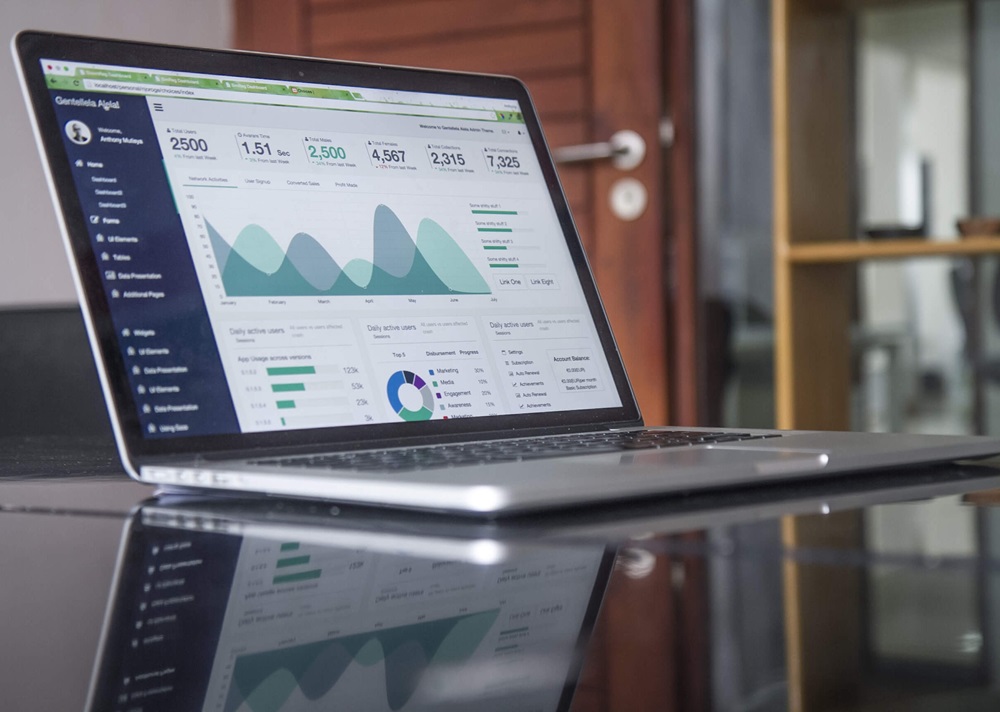
In the increasingly developing digital era, speed is the key in making business decisions. Real-time data access gives companies the ability to view, analyze and take immediate action based on the latest information. This technology allows companies to respond to market changes, trends and customer needs more efficiently.
Why is Real-Time Data Access Important?
Fast and correct decision making can provide competitive advantages. With real-time updated data, managers and executive teams can:
- Make data-based decisions - Having up-to-date data ensures that decisions are not based solely on assumptions or outdated information.
- Reduce risk - With real-time information, companies can immediately detect problems or anomalies and take action before they have a major impact.
- Improve operational efficiency - Immediately available data allows companies to optimize operations, reduce lead times, and better manage resources.
- Improve customer experience - Through real-time data, companies can respond to customer needs more quickly, offer more personalized service, and increase overall customer satisfaction.
The Technology Behind Real-Time Data Access
Technologies such as the Internet of Things (IoT), cloud computing, and big data analytics support the ability to obtain and analyze data instantly. IoT sensors can capture data from assets and operations, while cloud computing enables rapid data storage and processing. This combination of technologies provides rich and in-depth information for decision making.
Challenges and Opportunities
While real-time data access offers many benefits, challenges such as data security, adequate IT infrastructure, and the need for a skilled team to analyze and use the data also need to be considered. However, with the right planning, companies can maximize the potential of real-time data and achieve long-term benefits.
Conclusion
Real-time data access provides flexibility and speed which is very important for companies in this dynamic era. By utilizing the right technology, companies can make decisions that are faster, more precise, and supported by accurate data.