
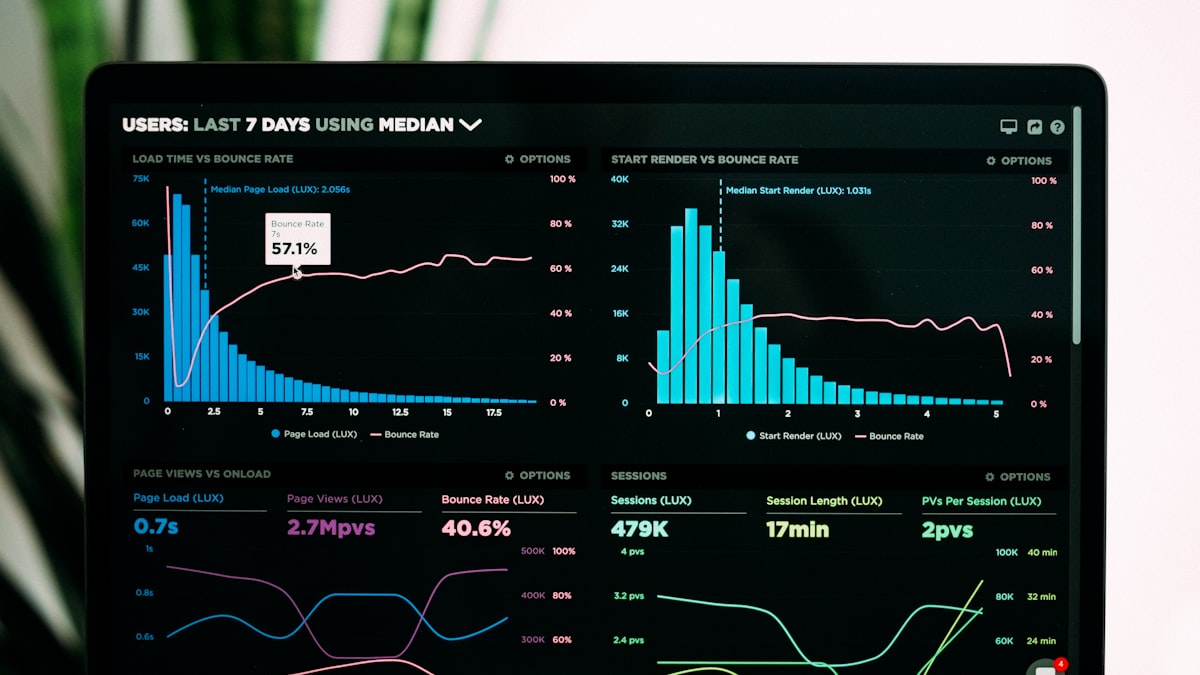
Cloud costs growing 20–40% annually without structured control has become a universal pain point for CIOs and CFOs in 2026. FinOps Foundation reports show the average enterprise wastes 32% of cloud spend on idle, over-provisioned, or untagged shadow IT resources. In Indonesia, accelerated post-pandemic migration worsens this: dev teams deploy large instances for testing then forget to terminate, S3 data lakes without lifecycle policies, and over-sized Kubernetes clusters from “fear of outage.” CFOs increasingly question cloud ROI versus data center capex — a question answerable only with measured FinOps discipline. Migration to public cloud promises agility, but without financial discipline, AWS, Azure, or GCP bills can exceed legacy on-premise budgets. FinOps — the collaborative practice uniting engineering, finance, and procurement to optimize cloud spend — is no longer a niche option but a mandatory competency for cloud-native organizations. This article covers FinOps principles, the Cloud FinOps Foundation framework, tooling, culture, and implementation roadmaps relevant to Indonesian companies migrating to or already on cloud.
1. What Is FinOps and Why Is Cloud Cost Out of Control?
FinOps (Financial Operations) is an operational discipline and cultural practice enabling organizations to get maximum business value from every rupiah or dollar spent on cloud. FinOps is not mere cost cutting — it is about visibility, accountability, and continuous optimization.
Cloud costs often spiral because of: provisioning without approval, idle resources not terminated, over-provisioned instances, lack of tagging, and absence of showback/chargeback to business units. Engineering focuses on velocity; finance sees next month's bill — this gap is the root cause.
According to FinOps Foundation practice, mature organizations can reduce cloud waste 20–30% without sacrificing performance — through rightsizing, reserved capacity, spot instances, and disciplined auto-scaling.
2. The FinOps Framework: Inform, Optimize, Operate
The Cloud FinOps Foundation defines three iterative phases:
- Inform — full visibility: tagging, allocation, forecasting, anomaly detection, and dashboards for all stakeholders. Without accurate information, optimization is guesswork.
- Optimize — VM rightsizing, storage tiering, reserved instances/savings plans, spot/preemptible workloads, and zombie resource elimination.
- Operate — policies, budgets, alerts, FinOps rituals (weekly cost review), and continuous improvement loops.
Each phase involves a cross-functional team: FinOps practitioner, cloud architect, finance analyst, and product owner. No single team owns it alone — FinOps is shared accountability.
In Indonesia, fintech, e-commerce, and digital state-owned companies are forming FinOps Centers of Excellence (CoE) with direct mandates from CFO and CTO.
3. FinOps Cloud Tooling and Platforms
The FinOps tooling ecosystem in 2026 is rich and mature:
- Native cloud tools — AWS Cost Explorer, Azure Cost Management, GCP Billing — mandatory basics with a learning curve.
- Third-party platforms — CloudHealth, Apptio Cloudability, Flexera, Kubecost (Kubernetes), Spot.io — multi-cloud aggregation and automatic recommendations.
- FinOps automation — policy-as-code (Terraform + Sentinel, OPA) to block provisioning without tags or outside budget.
- Forecasting & anomaly — ML-based spend prediction and real-time spike alerts.
Tool selection must align with maturity: cloud-native startups may suffice with native tools + spreadsheets; multi-cloud enterprises need centralized platforms with RBAC and ERP finance integration.
Integration with SSO and IAM ensures only authorized stakeholders see sensitive cost allocation per business unit or client project.
4. Proven Cloud Cost Optimization Strategies
Quick wins implementable within 30–90 days:
- Mandatory tagging — cost center, environment, owner, project — no tag, no deploy.
- Rightsizing — 30-day CPU/RAM utilization analysis; downsize underutilized instances.
- Reserved & Savings Plans — 1–3 year commit for steady-state workloads; save 30–60% vs on-demand.
- Spot/Preemptible — batch processing, CI/CD, and interrupt-tolerant stateless workloads.
- Storage lifecycle — tier to Glacier/Coldline for backup and log archival.
- Idle resource cleanup — scheduled jobs terminating dev/test environments outside business hours.
Advanced optimization includes architectural refactor — serverless, container orchestration with HPA, and multi-region strategy — requiring engineering and FinOps collaboration from initial design, not as an afterthought.
5. FinOps Culture: From Blame Game to Shared Accountability
FinOps fails not from lack of tools — but lack of culture. Engineering often sees finance as a blocker; finance sees engineering as wasteful. FinOps shifts the narrative to collaborative optimization.
Effective rituals: weekly cost standup — 30 minutes reviewing anomalies, action items, and celebrating savings. Monthly business review — cost vs budget per product line with product owner present.
Unit economics — cost per transaction, cost per user, cost per API call — makes cloud spend relatable to revenue and margin. Engineering teams understanding unit economics choose more efficient architecture without being ordered to.
Gamification — leaderboards for teams with best cost efficiency — can accelerate adoption without making FinOps feel punitive.
6. FinOps in the Indonesian Context: Regulation, Multi-Cloud, and Talent
Indonesian companies face specific nuances: data regulation drives hybrid cloud — on-premise for sensitive data, public cloud for elastic workloads — so FinOps must cover hybrid total cost of ownership (TCO), not cloud alone.
Multi-cloud — many enterprises use AWS + Azure or GCP + local providers — requiring consolidated billing views and cross-platform tagging normalization.
Currency & billing — USD bills with exchange rate fluctuation affect IDR budgets; finance needs hedging awareness and forecasts with rate assumptions.
Talent gap — certified FinOps practitioners remain scarce; solutions: upskill internal cloud architects + finance analysts, or partner FinOps consultants to bootstrap a CoE.
7. FinOps Implementation Roadmap and Conclusion
6–12 month roadmap for FinOps beginners:
- Crawl (months 1–2) — spend audit, tagging implementation, basic dashboard, identify top 10 cost drivers.
- Walk (months 3–6) — rightsizing, reserved capacity, budget alerts, weekly ritual, showback to BUs.
- Run (months 7–12) — chargeback, forecasting, policy-as-code, formal FinOps CoE, continuous optimization KPIs.
Cloud without FinOps is like driving without a speedometer — you do not know how fast costs rise until a shock bill arrives. FinOps in 2026 is an operational competency equal to security and reliability — not an optional cost center review.
Indonesian e-commerce companies with 11.11 and 12.12 campaign traffic that are not FinOps-aware often experience 3–5x normal bill shock — preventable with autoscaling policy, spot instances for batch analytics, and pre-campaign capacity review. Telcos and fintech with Kubernetes microservices especially benefit from Kubecost visibility per namespace and team.
Organizations investing in FinOps today build a sustainable cloud foundation for tomorrow's business scale — with margins protected and engineering remaining agile.
FinOps cloud cost management is a mandatory discipline for organizations serious about digital efficiency. PT. Sumber Solusi Optimal helps with cloud spend audits, FinOps CoE design, and SSO-integrated tooling implementation. Consult our cloud and FinOps services for measurable cost optimization.