
In an increasingly connected world of technology, cloud computing and edge computing have become two very popular approaches to data processing. Both technologies have an important role in modern IT infrastructure, but they serve different needs. By understanding the differences between cloud computing and edge computing, companies can choose the solution that best suits their business needs.
Understanding Cloud Computing and Edge Computing
Cloud computing is a technology that allows data to be stored, managed and processed on remote servers via the internet. Data is sent to a centralized data center, where cloud servers process it and return the results to the user's device. This approach has revolutionized the way companies manage their data, enabling easy access from anywhere and reduced physical infrastructure requirements.
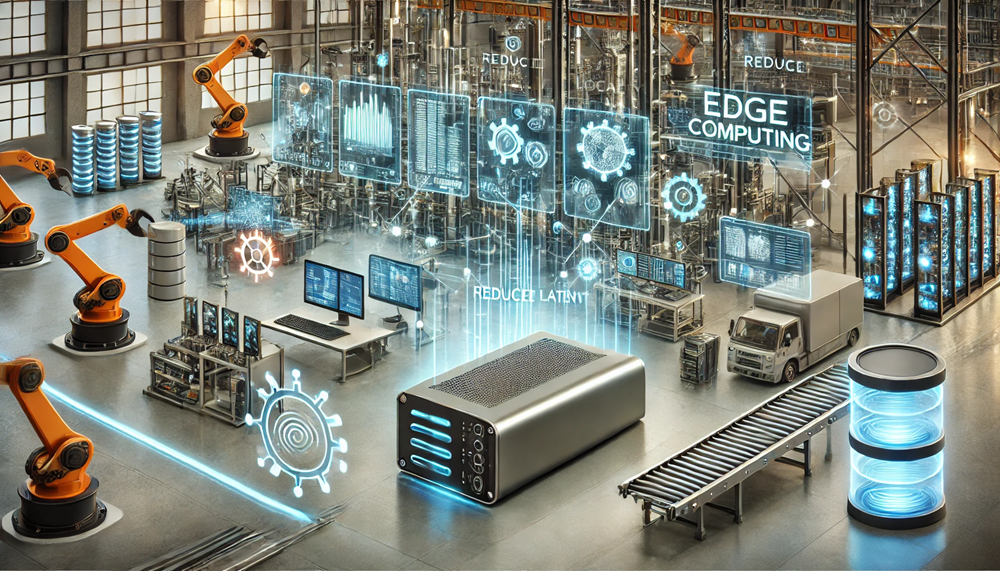
On the other hand, edge computing processes data near the source, on devices or servers closer to where the data is generated. Instead of sending data to a cloud center, the data is processed locally, which helps reduce latency and network load.
When Should You Use Cloud Computing?
Cloud computing is more suitable for use in situations where remote data access, massive storage, and global collaboration are required. Here are some scenarios where cloud computing is a better choice:
Large-Scale Data Processing
Cloud computing is ideal for handling large amounts of data that need to be analyzed and stored for long periods of time. With high scalability capabilities, companies can add storage capacity or computing power as needed.
Collaboration Between Teams
Cloud computing supports global collaboration, where teams from different locations can access and edit the same files in real-time, without the need for complex local infrastructure.
Flexible Service Provision
With cloud computing, companies can easily offer services such as SaaS (Software as a Service) that can be accessed by users all over the world. This service allows unlimited flexibility on location.
When Should You Use Edge Computing?
Edge computing is more suitable for use in situations where response speed and local data processing are very important. Here are some scenarios where edge computing is superior:
Data Processing in Real Time
Edge computing reduces latency by processing data close to its source. This is especially important in industries that require instant decision making, such as in autonomous vehicles or smart factories, where every millisecond counts.
Environments with Limited Connections
In locations that have limited or unstable internet connections, edge computing allows devices to continue processing data locally without depending on remote cloud servers. This is important in remote applications such as agriculture, mining, or energy exploration.
Bandwidth Savings
Edge computing reduces the amount of data that must be sent to the cloud, which is especially helpful in applications that generate large amounts of data, such as security cameras or IoT sensors. Only important data is sent to the cloud, so bandwidth usage is more efficient.
When to Combine Cloud and Edge Computing?
There are several scenarios where combining cloud computing and edge computing is an ideal solution. This combination allows companies to take advantage of the advantages of each technology. Some examples of the use of both are:
IoT Data Management at Scale
Widespread IoT sensors can process local data via edge computing to make fast decisions, while larger or historical data can be stored and analyzed in the cloud to gain long-term insights.
Applications that Require Speed and Storage
In the healthcare industry, for example, connected medical devices can use edge computing to respond to patient conditions in real-time, while larger patient data is stored in the cloud for medical records and long-term analysis.
Business Process Optimization
Some business processes may require instant data processing on-site, such as in factory automation, but also require the cloud for in-depth analysis and strategic planning.
Conclusion
Cloud computing and edge computing are not contradictory technologies, but complement each other. Cloud computing excels at large-scale data storage, global access, and service flexibility, while edge computing is better at handling real-time data processing, bandwidth savings, and operating in isolated locations.
Choosing between cloud computing and edge computing, or using a combination of both, depends on the specific needs of your business. By adopting the right approach, companies can improve operational efficiency, speed up decision making, and maximize the benefits of available technology.