Real-time data access has become an important pillar in decision making in many industries. The ability to access, process and analyze data directly not only speeds up business processes but also increases accuracy in decision making. However, behind this convenience, there are a number of advanced technologies that enable real-time data to be accessed and optimized by companies.
1. Internet of Things (IoT)
IoT is one of the main technologies behind real-time data access. IoT devices, such as sensors and measuring devices, connect to the internet to send data directly. For example, in the manufacturing industry, IoT sensors can continuously report machine health, enabling maintenance teams to detect potential problems before failure occurs. With IoT, companies can get data directly from the source without having to wait for manual reports.
Cloud computing provides infrastructure that enables the collection, storage and processing of data on a large scale in real-time. With cloud computing capabilities, data from various sources can be stored in data centers and accessed anytime and anywhere. This allows companies to process data quickly without investing in expensive IT infrastructure.
3. Big Data Analytics
Real-time data access is not just about getting data quickly, but also about analyzing it efficiently. This is where big data analytics plays a role. This technology enables fast and deep processing of large data volumes. By using advanced algorithms, the real-time data collected can be immediately processed into useful insights for the company.
Edge computing is a technology that allows data processing to be carried out closer to the data source, for example an IoT device. This reduces latency because data does not have to be sent to a distant data center for processing. In sectors such as transportation or health, edge computing can help obtain vital real-time information, such as autonomous vehicle data or patient data in emergency situations.
5. Artificial Intelligence (AI) and Machine Learning (ML)
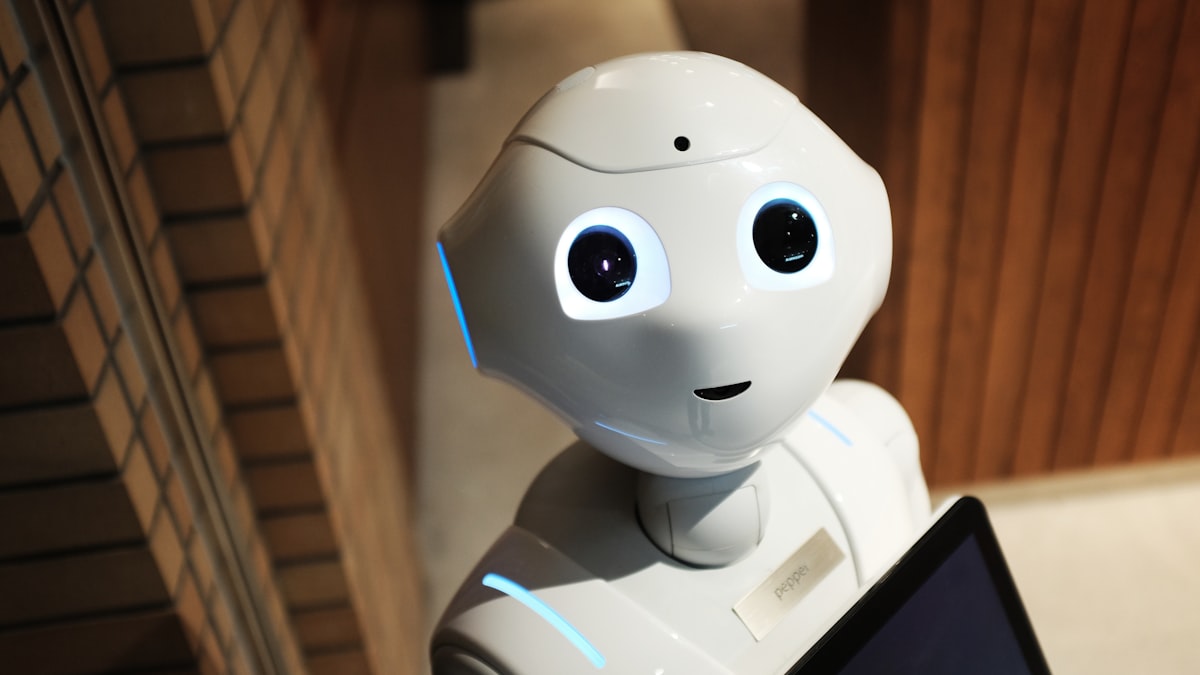
AI and ML are increasingly important in managing real-time data. With machine learning algorithms, the system can learn from data obtained in real-time and provide better predictions or recommendations. For example, in the retail industry, AI can learn consumer purchasing patterns in real-time and provide timely product or offer recommendations.
Conclusion
Technologies such as IoT, cloud computing, big data analytics, edge computing, and AI/ML have become the backbone behind real-time data access. They work synergistically to ensure data is not only collected quickly, but also processed into useful information for business decision making. By utilizing this technology, companies can move more quickly and effectively in facing market changes and business challenges.